Category: Blog

  • Singapore’s Cuisine- a Cacophony

    Occupying a unique position on ocean trading routes enhanced by its importance to the British Empire, with Malaysia and Thailand to the north, Indonesia to the east and China to northeast, India to the northwest, Singapore developed a rich, diverse Asian cuisine. The result is a potpourri of spices and ingredients, bewildering to most Western visitors.

    Hawkers

    You can try an astounding variety of dishes at Singapore’s hawkers, vendors of its famous street food housed under open air roofs. Most stalls have a number of offerings, ranging from fried shrimp breads to complex rice dishes. It’s hard to know what you are ordering even though the signs are in English. If you have a knowledgeable friend to join you it’s all the better, which was the case for me.

    You sit comfortably while dining on most days as fans keep the air moving. Thus well ventilated, the shaded space immerses you in aromas galore.

    Malaysian curry. I had a lot of curries while there. Caution advised.

    There is no table service. If that’s what you want choose a restaurant, though you will loose the extensive range of options you will find among the hawkers and you will usually pay much more. Both restaurants and hawkers follow modern hygiene practices so there is no advantage to restaurants in that regard. Hawkers are by far more popular choice of locals, especially for those who especially enjoy or need the budget prices and are willing to bus their own table- you must or you could be fined!

    In the course of 11 days I sampled a couple of dozen dishes. Here’s a short slideshow video of what came my way:

    Photos of the meals I had while in Singapore.

    Culinary influences include Chinese from multiple provinces including Peranakan (southern China), Malaysian, Indonesian, Indian both north and south, and Western traditions including the ubiquitous hamburger, English and the Portuguese-influenced Eurasian, known as Kristang).

    The dishes often have a bit of hot spice, with extra on the side. The cuisine in general carries a bit of sweetness, often barely subtle enough for my taste. The Indian dishes include both northern and southern versions, a bit lighter on the hot pepper than you might expect. The Korean restaurant we visited offered meats cooked on the table mounted grills. The sides were for me disappointingly mild, adjusted to the local taste I suppose.

    Singapore’s offerings include Chinese hotpots. You can order wheat noodles served in a soy or miso sauce. You can add sliced pork (chāshū), nori (dried seaweed), bamboo shoots (menma), narutomaki, and scallions.

    Nearly every region in Japan has its own variation of ramen. One Japanese ramen we went to had bland offerings. Another ramen joint, Enishi is a tiny place with just 12 stools at the bar, cooks and workers flying about. They have ramen dishes more to my liking. This is not a sit and relax kind of place. A sign says that in busy times you may only be allowed 30 minutes. There was a line when we were dining, so I do not think we had even that long. Fortunately the ramen soup is served immediately.

    Nearing the end of my visit my kind hosts asked me what I would like to have for dinner. I said I thought I was missing only the Chinese. None of the places we frequented I’d identified as such. He explained that labeling a eatery ‘Chinese’ here would be like labeling a restaurant as Spanish when in Spain. So I had been served Chinese meals that I did not recognize as such. That’s how little I knew about the scene in Singapore. At least I learned more about how vastly Chinese cuisine varies by province. In the west we get mostly Cantonese and Sichuan offerings.

    Eggs galore

    I’ve never seen so many dishes that come with an egg. Many are fried and laid on top, others hard boiled. The trendy breakfast is toast with a slice of butter with a soft boiled egg on the side.

    Toast breakfast with local coffee

    The breakfast includes the local coffee called Kopi. It has its roots in Malaysia . It is made from Robusta beans, the least desirable coffee bean, versus shade grown Arabica, then roasted in (eh gad!) margarine and sugar and then strained. They add evaporated and condensed milk. Somehow I managed to avoid it, but if you like it please let me know and tell how that’s even possible. I did not care to give it a go myself.

    Desserts

    Aside from fruit you can order desserts that from my point of view are quite strange. I can only report on two. You can see my reaction to cendol. It’s a dessert made with green rice flour jelly, coconut milk, and palm sugar syrup. Here there are also red beans. It’s called “dawet” in Java and “lot chong” in Thailand. Despite my initial reactions to red beans in a dessert, they offered an interesting contrast to the crunchy sweetness of the rest. Mango sticky rice was pretty good too, although I am not fond of sticky rice, just because it’s so gummy.

    Chandol
    Mango sticky rice

    Wikipedia has an extensive article on Singapore’s cuisine. Check it out at https://en.wikipedia.org/wiki/Singaporean_cuisine

  • Amazing art in  Buddhist and Hindu Temples in Singapore

    Amazing art in Buddhist and Hindu Temples in Singapore

    No visit to Singapore would be complete without a visit to the Buddhist and Hindu temples. The temples are awash in highly colorful imagery.

    Buddhist art is dominated by images of the Buddha. The figures are generally in accurate proportions, displaying a good understanding of anatomy. Not all portrayals are realistic overall. Much of the art is repetitive, that is, most images are standard copies of traditional presentations.

    I visited the Tooth Relic Temple in Chinatown, which practices a Chinese version of Buddhism. Before you enter you must remove your shoes. You can not display your knees. They provide robes if needed. Photos are allowed at least during visiting hours. In the basement there is a theater and a vegetarian dining hall. The meals are free, donations accepted.

    There are no gods in Buddhism. However there are rituals and relics. At the Tooth Relic Temple Buddhist temple people lit incense sticks. facing one way and then the opposite, waving them. There is a relic of a tooth of Buddha, however it is much too large for a human tooth.

    From the Tooth Relic Temple, Singapore

    The main floor has a 15-feet statue of the Buddha Maitreya, flanked by bodhisattvas.

    Cintāmaṇicakra Avalokiteśvara Bodhisattva
    Tooth Relic Temple, photo by Chainwit

    Acala, one of the eight Zodiac protectors

    From Hindu temples in Singapore

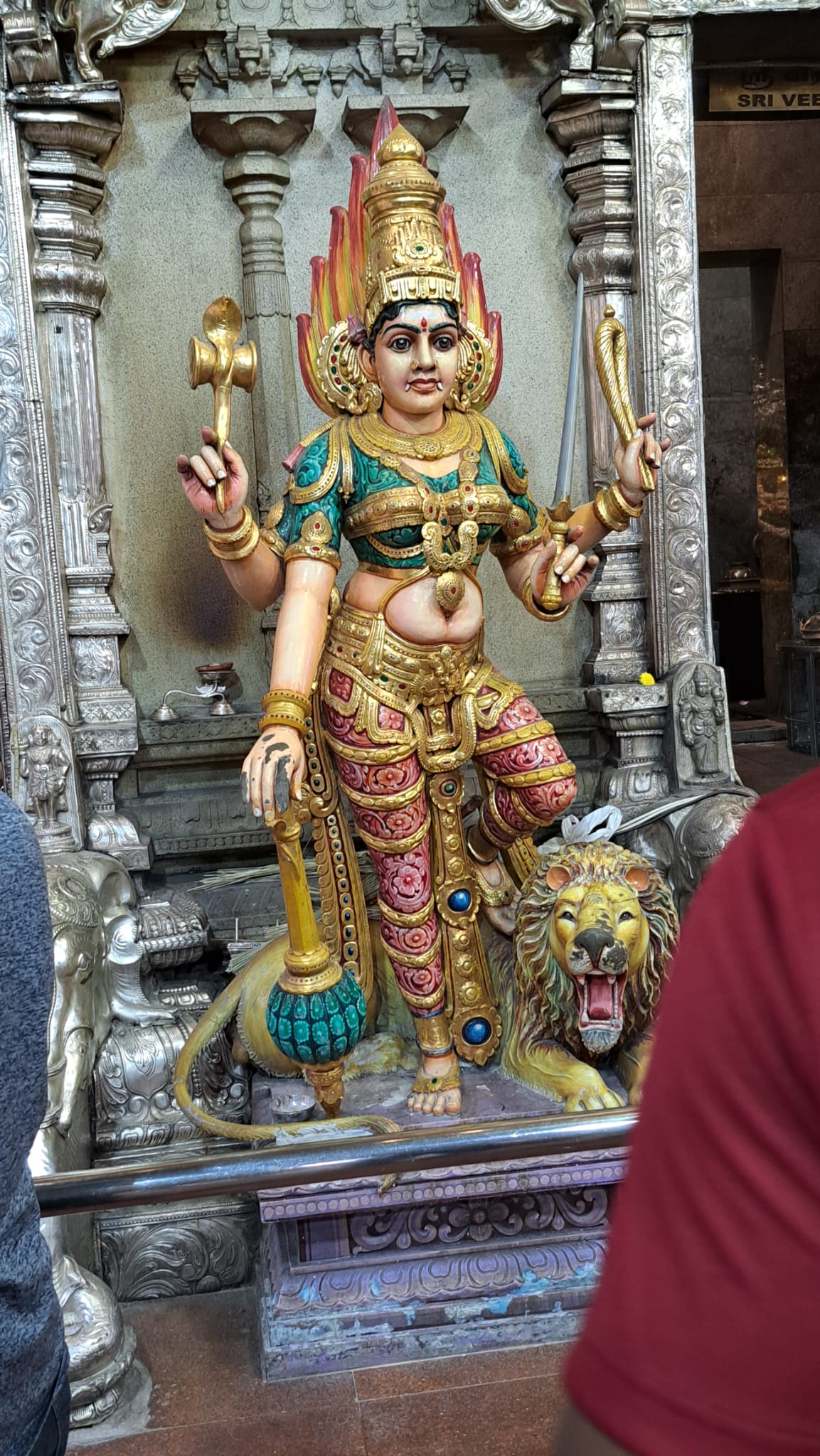
    Hindu art is also wildly colorful. Multiple arms and other imaginary appendages are common.

    Hindu goddess Kali
    Nataraja represents Shiva as the “lord of dance”.
    Sri Veeramakaliamman Temple
    Saraswat, Sri Veeramakaliamman Temple
    Sri Periyachi Amman

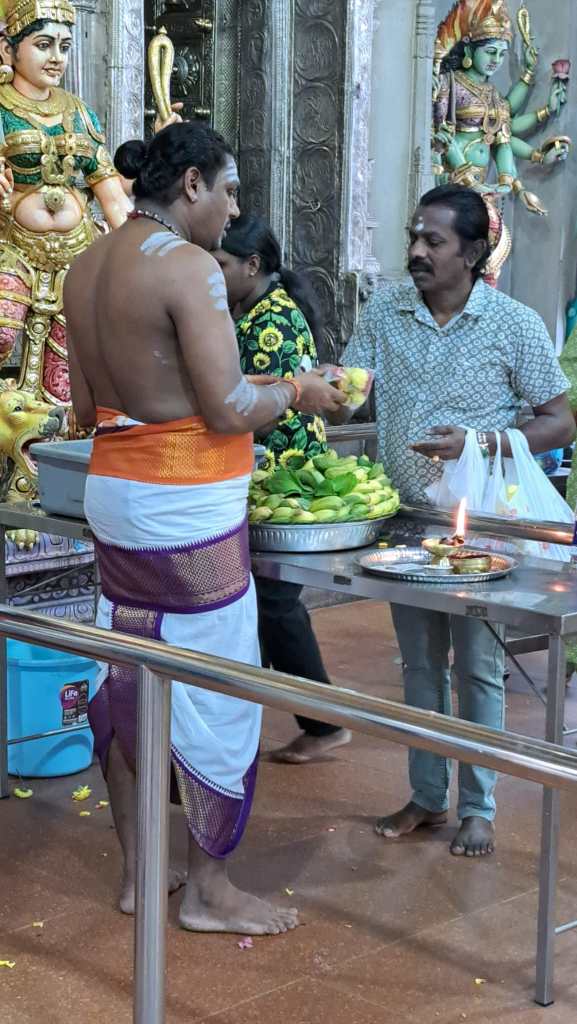
    At the Hindu temples during my visits priests dropped flowers onto statues while chanting or praying.

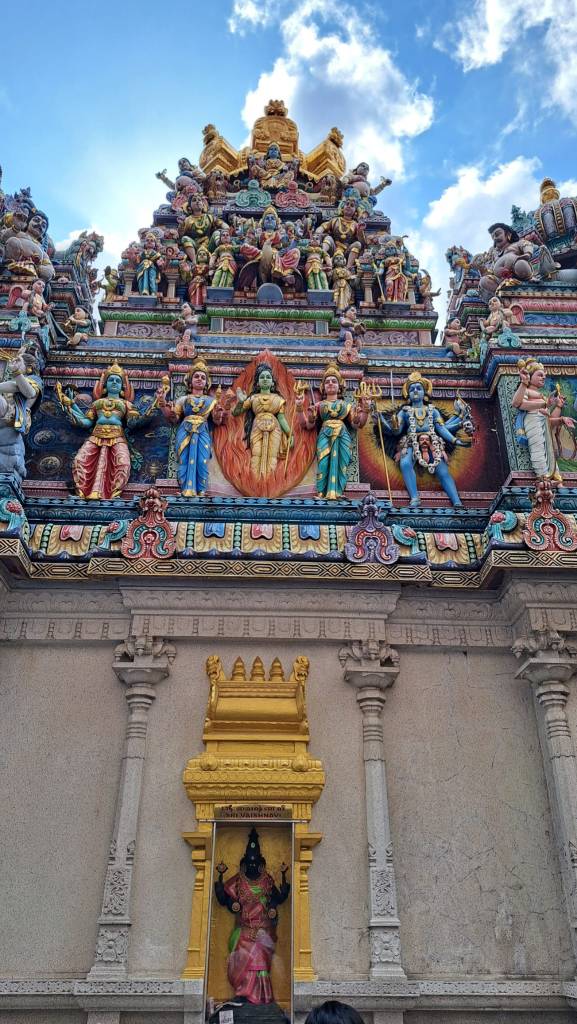
    Colourful entrance tower (gopuram), Sri Veeramakaliamman Temple

    Buddhism, Hindu, Islam and Christianity are the most prominent religions in Singapore. The Inter-Religious Organisation (IRO) recognizes 10 major religions. Thirty one percent of the population is Buddhist, of which 40% are ethnic Chinese. Interestingly the non-religious form the second largest group at 20%. About 19% are Christians , mainly Catholics and Methodists, Some 15% practice Islam, mostly ethnic Malaysians. Pew’s study found that Singapore is the most religiously diverse country in the world. https://en.wikipedia.org/wiki/Religion_in_Singapore

    The government is secular. This came as a result of religious riots in the 1960’s. A few groups are prohibited as cults, most notably Jehovah’s Witnesses and the Moonies, officially named the Unification Church.

  • Singapore: a mixture of cultures and cuisines

    Wispy humidity-laced clouds welcome the visitor on the descent to Singapore’s waterfront airport. Lush greenness contrasts with glass and metal skyscrapers, all sitting together in the warm bath that is its climate. It was a quick pass through the passport scanners. My nephew was waiting for me. He didn’t need the sign others waiting for visitors held up. Once I’d jokingly held one up. It said, “Wife.”

    He was ready right then and there to zoom me through the city’s tree and flower lined streets in his new and ample Chinese built e-car. We cruised on the “wrong side,” as Singapore was a British colony, to take short walks in the humid sunlight. Jet lag be damned, we were going to the National Museum for the history review it offers, abbreviated since the main exhibit is closed pending renovations.

    I should have not have been surprised by the modernity of the museum’s building, given the skyscrapers dominating the central business district. I was, nonetheless, because in my mind I had images of colonial Britain, with its bamboo wicker structures, ceiling fans, khaki uniforms and condescending attitudes.

    What I noticed immediately after left side driving was the signage- English predominates. Yet there are four official languages: English, Mandarin, Malay, and Tamil. English serves as the main language for government, education, and business, while the other three correspond to the major ethnic groups in the country but rarely appear other than on restaurants and temples. Most people speak at least some English.

    The Republic of Singapore is pegged to the southern end of the Malaysian peninsula just 1 degree north of the equator, separated by a narrow strait crossed by a bridge. Aside from the main island there are some 65 others that seven million call home. There are straits also to either side, with the Singapore Strait to the south. Before the British, Singapore was part of various thalocratic empires, governing bodies primarily sea based with little control over inland areas. When the British arrived Singapore was a fishing village, if the Museum’s narrative is to be believed.

    Its modern history starts with Stamford Raffles. He represented the British East India Trading Company. On January 28, 1829 he landed with a squadron of Company ships to meet with the local chief, Temmenggong Abdul Rahman. Agreement to allow Company access in hand, Raffles persuaded the Sultan Hussein Shah of Johor on the Mlaysian peninsula to sign the Treat of Friendship and Alliance on February 6, 1819. The Singapore River then rapidly developed into a port area welcoming traders and travelers from all over.

    Raffles involved the Company in the succession struggle of the throne of Johor, and after trading rights with the Dutch East India Company, the British came to control the entire island in 1824. Singapore became the seat of government. In 1867 the British consolidated control as a result of the Straits Settlement.

    Singapore was built on the backs of migrant laborers, who worked in construction and loaded the ships. They suffered in the heat and humidity, working long hours for low wages. Indian convicts did most of the hard work building bridges and roads between 1825 and 1873. The 1920’s and 30’s brought Samsui women from China. Best known for their red scarfs, they came in search of construction and industrial jobs. They were mostly from the Sanshui District of modern-day Guangdong, a province in southern China.

    Migrants lived in cramped shared quarters in unsanitary conditions. Together they made for a diverse mixture of Oriental cultures, with costumes from the Levant to China. The wealthy walked around in silk robes and satin, while Jews and Arabs stuck to dark rich silks, Turkey red and pure white Madras muslim. Much is documented in photography starting in the mid 19th century. Migration continues, with over 40% of its current population is foreign born.

    Singapore became a target of the Japanese expansionism of the 1940’s. The locals describe it as a period of deprivation. You ate little more than your own garden could produce.

    The slick exhibits in the museum provide an excellent narrative along with displays of ancient maps, travel chests and timelines. It all came at a stiff price, about $18 USD, though it’s free for residents.

    It wasn’t too soon to have a snack. Singapore’s street food markets, called hawker centers, are vibrant hubs where you can find a variety of affordable and delicious dishes influenced by the country’s multicultural heritage. These open-air food courts offer a communal dining experience essential to Singapore’s food culture. There is a bewildering variety of offerings with names I did not recognize even in their English version. No matter, I have a host who’s been here and had that. What a huge difference that makes!

    One of Singapore’s many hawkers (street food courts)
    Popiah

    Hawkers are outdoors but covered. It’s warm of course, but with the roof keeping the sun and rain off and the huge running fans you’ll be comfortable enough most days. The offerings are amazingly inexpensive. A popiah, of Malaysian origin, is a sizable snack for me but a meal for many here. It cost around $5 SD, about $4 USD. For drinks there are fruit juices, soft drinks, and the occasional beer. There is no wine, which is extremely expensive. More of this complex cuisine scene anon.

  • The Painted Houses of Zalpie

    These beautifully painted small houses are in Zalpie, a tiny village in southwest Poland. According to one website, before they installed modern heating systems, wood burning stoves spewed soot on the houses inside and out. The women painted over the blackened wood. https://www.saltinourhair.com/poland/zalipie-painted-village-poland/

    The Ethnographic Museum of Tarnow organizes a cottage painting competition in June. In addition to the houses they paint barns, furniture, and fences.

    Google map image

  • Roman era Valencia

    Roman era Valencia


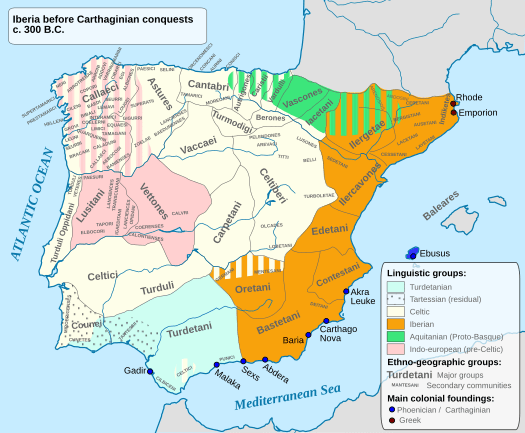
    The name Valencia comes from the Romans, who named it Valentia Edetanorum, from the Latin Valentia, ‘valor’ and Edetanorum, the Edetanis being the Iberian people who populated the area. Roman soldiers arrived in 138 BCE, with Valencia’s founding credited to cónsul romano Décimo Junio Bruto.


    The soldiers chose to build on what is commonly termed an island. A small branch of the Turia River circled a zone of slightly elevated terrain. You can still see the path today although the stream is underground. It moves approximately along Guillem de Castro, Xativa/Colon then to Porta del Mar (Port of the Sea).


    The location is a high spot on the Turia River several kilometers inland, today the area surrounding the Real Basílica de Nuestra Señora de los Desamparados (The Royal Basilica of Our Lady of the Forsaken) generally referred to as the Almoina. Refer to the drawing below. There was a wooden bridge crossing the Turia, probably located where the current Torres de Serrano is located, called “Pont de Fusta,” as it is written in Valenciano, meaning “Wooden Bridge.” Straight across the rise is approximately where the current Estación de Norte is located. In the center you see the temple and the Forum, where the Real Basílica de Nuestra Señora de los Desamparados, Cathedral de Valencia and the La Almoina Archaeological Museum are now located. The forum, with government buildings, a temple, baths and the like, was destroyed during the civil war of 75 BCE. The forum was rebuilt as the city recovered.

    A depiction of Roman Valencia

    The forum, with government buildings, a temple, baths and the like, was destroyed during the civil war of 75 BCE. The forum was rebuilt as the city recovered.


    The hippodrome, a racetrack that used to be called a “circus”, dates to the 2nd century CE. Vestiges of both it and the forum can be seen today. La Almoina Archaeological Museum is several meters below the current level. The ruins displayed were discovered in the course of work to expand the Basilica in the early 1980’s when Valencia was competing with Barcelona in its worship of the Virgin de los Desamparados.

    The remnants of the ninfeo (structures featuring water and plants), the thermal baths, the macellum (grain warehouse), the temple, the forum and many other important buildings of that time lie underground in the area surrounding the Basilica.

    Fragments of the western wall of the Circo in the Almoina Museum


    Remnants of the hippodrome are now visible in the basement of the Centro de Arte Hortensia Herrero (CAHH), about 5 meters below the current ground level.


    During works on the Cathedral Museum workers came across remains of roman houses and streets one meter below ground. They are located beneath the San Francisco and San José chapels. Archaeologists dated the discoveries to the first and second centuries. “Some vital parts of the original structure are preserved, such as lintels, entrances and water vessels, according to the diocesan seminar Paraula, which informs about the unexpected discovery. “https://www.uv.es/uvweb/master-cultural-heritage-identification-analysis-management/en/master-s-degree-cultural-heritage-identification-analysis-management/roman-ruins-cathedral-valencia-1285932165134/GasetaRecerca.html?id=1285966840465

    Valencia remained a Roman province until the 6th century, the later stages under Church rule. Then it became part of the Visigoths centered in Toledo.

  • Villa Szyja Światłowski,City Culture Park, Lodz

    House at City Culture Park, Lodz,
    watercolor 21 x 30 cm/8.3 x 11.7′

    This traditionally styled watercolor is a painting of the Villa of Szyja Światłowski, in Lodz, Poland. It was moved to its current site in 2008 as a notable example of the “świdermajer” architecture, a local style of wooden architecture. It was originally built at 18 Scaleniowa St, Ruda Pabianicka as a summer resort. It was fully restored in its current location.

    The house is attached to the Central Museum of Textiles, together with relocated period houses beginning with the homes of 19th-century craftsmen. There is also a church and a tram stop building.

    The initials FK are on the rear door lattice, representing the first owners of the house, Fajwel and Frajda Kossowski. It was always owned by Jewish families. After the Kossowskis, it was occupied by the Werners (1912–1920), Rozenbergs (1920–1921), Ciuki’s (1921), Birenbaums and Szotland’s (1921–1922), and lastly the Światłowski’s (1922–1939). http://www.muzeumwlokiennictwa.pl/public/informacje/about-villa,366

    The Central Museum of Textiles is on the same site. It was established in 1960 at The White Factory, a complex of classic buildings erected by the family of Ludwik Geyer in the years 1835 – 1886.[1] It is considered one of the most beautiful and unique monuments of industrial architecture in Poland.” There is a four-wing mill, the Boiler House, two dust and two  water towers. https://visitlodz.com/lodz-city-culture-park/  On the top floor is a large collection of some mighty ugly Communist era clothing. Elsewhere there are numerous examples of mechanical looms and other textile machinery.

  • Attempted theft of the crown of Empress Eugenia de Palafax y Kirkpatrick

    Attempted theft of the crown of Empress Eugenia de Palafax y Kirkpatrick

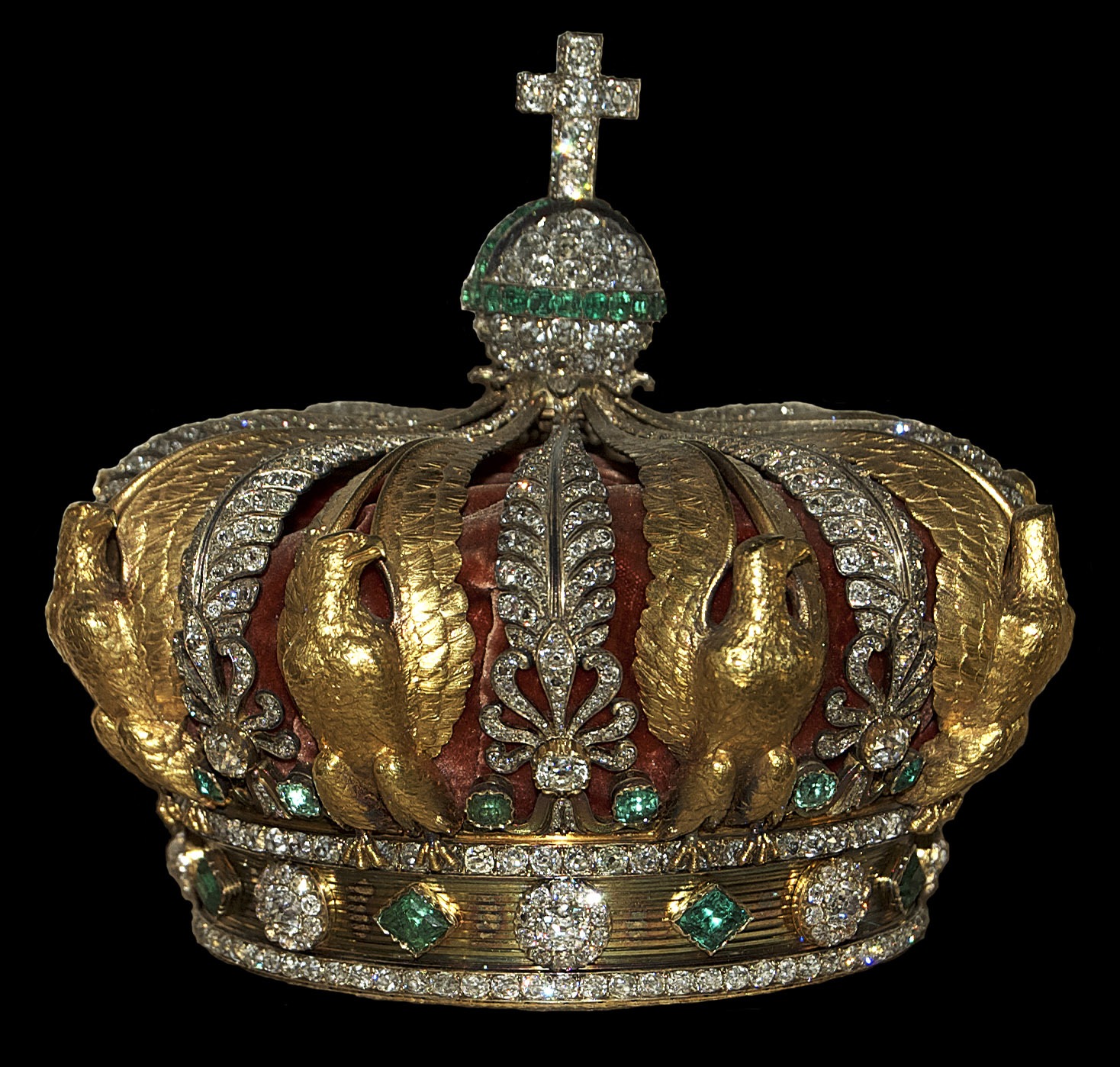
    The most famous Kirkpatrick is in the news. Thieves tried to steal the crown of Eugenia, Napoleon III’s third and last wife. Interrupted by guards, they left the crown behind. The crown has eight gold eagles, 1,354 diamonds, 1,136 rose-cut diamonds and 56 emeralds https://www.nytimes.com/2025/10/19/world/europe/louvre-heist-items.html Photo from the NYT article.

    In a stunning raid, thieves broke into the world’s most visited museum at 9:30 am. They escaped with eight extremely valuable items of jewellery. Using a lift to enter, they cut through a window. After threatening the guards, who closed down the area, they cut into the cases, leaving four minutes later. The gallery alarms were broken but per France’s culture ministry the museum’s other alarms sounded and security forces were notified. A crown of the empress Eugénie was also taken, but was recovered damaged near the museum after the thieves seemingly dropped it. https://www.bbc.com/news/articles/cg7nrlkg0zxo

    Eugenia’s crown was damaged but not stolen
    Portrait of Maria Eugenia wearing the tiara
    The gallery that houses the jewels


  • Back in Time

    What amazes me about living in Valencia is how much is going on. We were back from Poland in time to: 1) attend a special performance of a traveling orchestra and chorus. They served up a fabulous Handel concert including seven operatic singers and a large chorus. 2) have a rice dish at the paella festival in the main plaza (Plaza del Ayuntamiento) and a Patatas Bravas (fried potatoes with a slightly spicy garlic mayonnaise sauce) festival at the port. 3) One of my large paintings for the Dones (Women) of Picanya was exhibited at the University of Valencia, where it joined its permanent collection 4) While we at the exhibition, nearby some fifty thousand demonstrated against the Provincial administration for its president’s failure to issue warnings in the floods of a year ago. 5) We attended the fund raiser organized by the International Women’s Club which the wife helped organize and to which I contributed a painting. They raised $7000 for several charitable organizations. 6) We’ve had numerous outings with friends and regular acquaintances, including intercambios (Spanish/English language exchanges). I probably missed something.

    In English we typically refer to paella loosely as yellow colored rice with various meats and or seafood. In Spanish the generic term is arroces,” that is ‘rice dishes.’ In this area there are five main variations: Paella Valencian with chicken and rabbit, “Senyoret” (the Valenciano spelling). It is fish based. The shellfish is pealed for your convenience, making it less messy than the next one: ‘Mariscos.” Its shellffish is not pealed. Then there’s meloso, a soupy variation, and these days you can get a “vegetariana.” These were popular at the festival, except meloso, normally served just in winter, as is ‘arroz al horno, a rice dish baked in the oven and since it is not cooked in that big flat pan (called a “paella” in Valenciano) it is not technically a paella but it is an arroz.

    There were a dozen or so other rice dishes I’d never heard of. One was ‘arroz de puchero.’ Puchero is a beef stew. Another was “Winter boneless chicken with fava beans.” I had one with smoked pork and boletes mushrooms, which has a very long stem. There was one with stewed pork and mushrooms in a brothy rice, not soupy like meloso and not dry like most rice dishes. I saw one with just mussels. It was not colored yellow- I’d never seen a white paella before.

    If you can find a copy of Penelope Casas’ book The Foods and Wines of Spain you will find about 50 recipes. Each region has its own versions. The one Americans are familiar with comes from Galicia. It has seafood and meat along with red peppers and green peas. It is one of my favorites.

    One of the several concerts we attended was extraordinary, the best of its sort I’ve had the privilege to attend. The “Musicaeterna Choir and Orchestra) https://musicaeterna.org/ is a touring Russian group organized by its conductor Teodor Currentzis. Aside from the excellent orchestra there were seven singers, all women except one. The choir must have numbered 50 or more.

    The operatic singers all entered and exited the stage at a dirge pace. The chorus filed in silently from four entrances, two at audience level and two from the area above the stage. It was all to dramatic effect. The vocalists were of all different sizes and shapes, from a tiny mezzo-soprano to the hefty prima donna whose bosomy boom knocked you off your.

    Then came the hefty male, only a weight class below a sumo. Did he knock us over with the magnificent base you’d expect? Nay! He hit us with a falsetto, blasting his way through demi-semi-quavered crescendo after crescendo.

    Meanwhile the first violinist’s lanky blond limbs and arms gestured like a rock bassist’s, as Teo flipped that baton when he had one while his tall self pointed here and there until the next singer arrived. Then he stood in the singer’s face while mouthing the words, baton flying still. The singers didn’t flinch, so obviously used to this odd behavior. Violating the normally staid norms was clearly part of the act.

    Gary Bob says check them out!

    Musicaeterna Choir and Orchestra

    Here’s a good video of the demonstration

    Vencerem! (We Shall Overcome) painting, top floor

    Vencerem! 1.5 x 1.3 meters, acrylics
  • The Poznański Palace in Łódź 

    Gary Bob says check this place out! (see last paragraph)

    Izrael Poznański’s Palace is worthy of ranking with the most beautiful palaces of Europe. It was built from the profits of his fabric factories which used cotton in its many hundreds of mechanical looms. The palace is L-shaped.  Mansard roofs, normally only see in France, dominate the exterior, along with numerous embellishments and top notch sculptures. There was a large botanical garden with some rare specimens. The Poznański family evacuated before the outbreak of the war. The Germans used the palace as its headquarters. The palace is now the museum of the City of Łódź.

    “The thirty-six two-metre (sic) figures on the roof of the palace symbolise (sic) the power of the contemporary industry, trade, wisdom, and success; in their hands, they are holding attributes of hard work: cogwheels, bales of fabric, chains, hammers, etc. Among them, we can find workers, spinners, Hermes – the god of trade, protector of merchants, and Athena – the goddess of wisdom and art, adept at weaving.” https://muzeum-lodz.pl/en/o-muzeum/historia-palacu/

    Inside there is a ballroom, a mirrored chamber and a garden with a glass ceiling. The Neo-Baroque dining and ball rooms are by the Łódź artist and painter Samuel Hirszenberg.  

    Our first in visit to Poland in 1998 https://garyjkirkpatrick.com/czech-epublic-to-poland-798/ This is from the emails I was sending out at the time, before there was such a thing as a blog.

    Strolling Poland: My Short Book https://garyjkirkpatrick.com/visiting-poland-book/

    About Gary Bob:

    When we lived in Dallas back in the middle ages, a guy who called himself Joe Bob Briggs wrote a column for a counter culutre newspaper that also published Molly Ivan’s columns. His tongue in cheek reviews of drive-in movies were an absolute riot. A typical review summary might read: “No dead bodies. One hundred seventeen breasts. Multiple aardvarking.[a] Lap dancing. Cage dancing. Convenience-store dancing. Blindfold aardvarking. Blind-MAN aardvarking. Lesbo Fu. Pool cue-Fu. Drive-In Academy Award nominations for Tané McClure. Joe Bob says check it out.” By referring to Joe Bob I mean to imply that the palace decor is so way over the top that despite its excellence (for which his review movies were NOT known) that it deserves a bit of pull down. After all it all came at the expense of under compensated laborers working in a dangerous, unhealthy environment. Joe Bob had quite the career following his fu-filled frolics back in the mid-80’s. The palace is not large for a building of its type. The interior friezes are top notch but they are big and numerous out of all proportion to its overall size.

  • The Jewish community of Lodz

    The Jewish community of Lodz

    Lodz is a Polish city seventy five miles southwest of Warsaw. Jews, mostly craftsmen and traders, settled in the Old Town section towards the end of the 18th century. Larger influxes came in 1793 and again in the middle of the 19th century, attracted by the rapidly expanding textile industry.

    In 1825 Germans were invited to help industrialize the city. They championed the “Zagirez Treaty,” requiring that Jews live only on the southern edges of the city. But in 1862 the Jewish community obtained the right to purchase land and build anywhere in the city. Many more Jews came to work in the huge fabric factories. By 1914 175 such factories were Jewish owned. As a result of these developments Lodz had the second largest number of Jews in Poland, behind only Warsaw.

    Following the invasion of Poland, the Nazis began to round up and deport this large and prosperous community. The Radegast train station was the major debarkation point. Today at the Radegast Memorial you see the bare wooden train cars the Nazis jammed full of people who could not sit for the duration of their journey, freezing in the cold months and boiling in the hot sun of summer, before they were enslaved or murdered.

    You enter the memorial’s hall to find yourself in a long, large tunnel. On the walls they inscribed the names of victims, recounting the forced labor, starvation and other acts of inhumanity imposed upon these innocent victims. the horrific cruelty of which our species is capable.

    Destinations of death camps
    Entrance to the train station memorial

    The result: the Jewish population plummeted from 265,000,, constituting about one third of the population, to about 27,000 by the end of the WWII.

    To the ever lasting shame of the Polish people, Poles inflicted post war pogroms on the remaining Jews. Polish soldiers, police officers, and others assaulted 7 Planty Street in Kielce. The house was occupied by about 160 Jewish holocaust survivors. They killed 42 and wounded 40, falsely accusing the occupants of child kidnapping. Another 2000 deaths occurred elsewhere in the country.

    Never bear false witness.

    Never forget.

    https://www.jewishvirtuallibrary.org/lodz-poland-jewish-history-tour